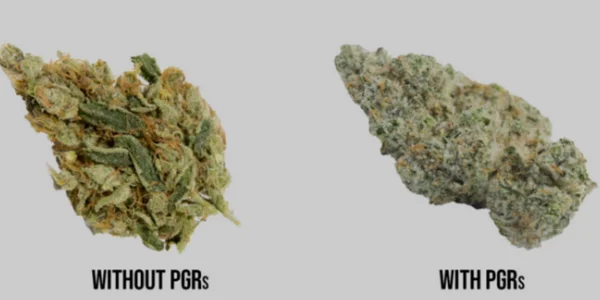



In the world of organic hemp cultivation, ensuring thriving crops and consumer safety is paramount. With the burgeoning organic hemp industry, it’s crucial to grasp potential risks tied to cultivation practices. This article presents an in-depth exploration of the hazards posed by specific plant growth regulators (PGRs) within organic hemp farming, shedding light on potential chemical impacts on human health.
Understanding Plant Growth Regulators
Plant Growth Regulators (PGRs) encompass synthetic compounds used to modify plant development. In organic hemp farming, these PGRs can raise significant concerns regarding their impact on consumer health.
Types of Harmful PGRs
- Chlormequat chloride: This synthetic compound enhances flowering and hemp plant growth by reinforcing stems and suppressing branching. Despite potential benefits, chlormequat chloride is not without risks. Contact with this chemical can lead to skin and eye irritation.
- Daminozide: Used to restrict stem and leaf growth, Daminozide aims to maximize bud development in hemp plants. However, Daminozide presents significant drawbacks. Classified as a potential carcinogen, it has the potential to cause health issues. Additionally, it reduces terpenes and cannabinoids in hemp.
- Paclobutrazol: This chemical curtails top growth while promoting root development in hemp. The outcome is denser, larger buds. Like Daminozide, paclobutrazol hinders the plant’s ability to produce essential compounds. Moreover, consuming hemp products containing paclobutrazol can be risky, as exposure to heat breaks it down into nitrosamines, posing health threats.
Health Hazards Linked to PGRs
PGRs, especially those like Daminozide, correlate with a range of health concerns. Health risks increase due to their potential harm. Extended exposure to PGRs can result in health issues such as liver damage and potential effects on fertility. Short-term effects of PGRs on hemp products include potential skin and eye irritation.
Choosing the Safer Path Forward
Organic hemp farming serves as a shield against potential risks associated with detrimental PGRs. By adhering to natural cultivation practices, organic hemp farmers ensure their products remain untainted by synthetic chemicals, upholding consumer health.
Discover Oakhenge Hemp Farms Organic Hemp Flower
At Oakhenge Hemp Farms, we are dedicated to providing premium organic hemp flower. Our commitment to sustainable farming practices ensures that our products are free from harmful synthetic compounds like PGRs. You can explore a variety of organically cultivated hemp flower options on our website, www.oakhengefarmscbd.com, where quality and safety converge.
Navigating the Market Wisely
When seeking organic hemp products, prioritize informed choices. Opt for trusted sources that prioritize organic farming practices. Seek certifications ensuring transparency in production methods, securing products that align with values of health and sustainability.
Conclusion
The precarious nature of specific PGRs commands attention, emphasizing the significance of organic hemp farming. By sidestepping synthetic chemicals, organic hemp cultivators prioritize the environment and consumers’ well-being. As research into PGR hazards progresses, the organic hemp industry, including Oakhenge Hemp Farms, steadfastly provides safe, premium products resonating with values of health, sustainability, and ethical consumption.